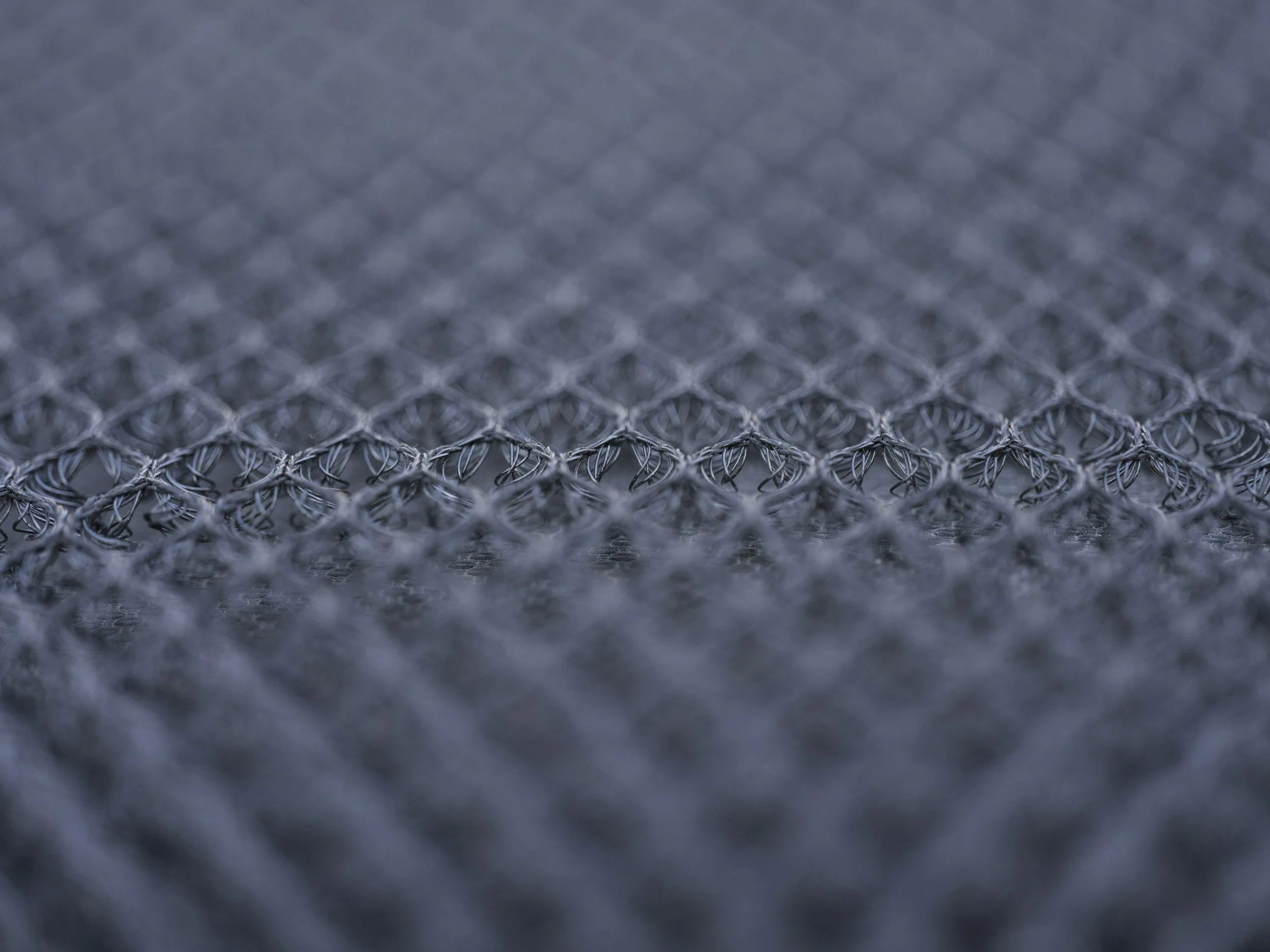
Fiber Placement Technology
Advanced Composites for Next-Generation Systems
StrikeCore is using fiber placement technology as part of our engineering initiatives. This advanced composite manufacturing process allows reinforcing fibers to be placed in controlled patterns, helping create structures that are lighter, stronger, and more efficient.
As defense, aerospace, and unmanned systems continue to demand reduced weight and increased performance, composite technology offers a path toward improved strength-to-weight capability, durability, and mission flexibility.
What It Does
Fiber placement technology allows materials to be oriented where strength and stiffness are needed most. Instead of relying only on traditional metal parts or basic composite layups, this process supports engineered structures designed around the forces they are expected to handle.
The result is the potential for lighter components without sacrificing performance.
Potential Applications
StrikeCore is evaluating fiber placement technology for future use in:
Advanced small arms components
UAS airframes and structural supports
Payload and sensor housings
Protective covers and equipment enclosures
Mission-specific platforms and mounting systems
This technology may support lighter unmanned aircraft, improved payload capacity, reduced operator burden, and more durable field equipment.
Why It Matters
In modern defense systems, weight, strength, and reliability are critical. Fiber placement technology can help reduce unnecessary material while reinforcing the areas that matter most.
Potential benefits include:
Reduced weight
Improved strength-to-weight performance
Greater durability
More efficient structural designs
Improved manufacturing consistency
Support for complex component shapes
Looking Ahead
StrikeCore is focused on exploring practical technologies that improve real-world capability. Fiber placement technology represents one path toward lighter, stronger, and more adaptable systems for defense, aerospace, unmanned platforms, and special mission applications.
This is not just about lighter parts. It is about building better systems.